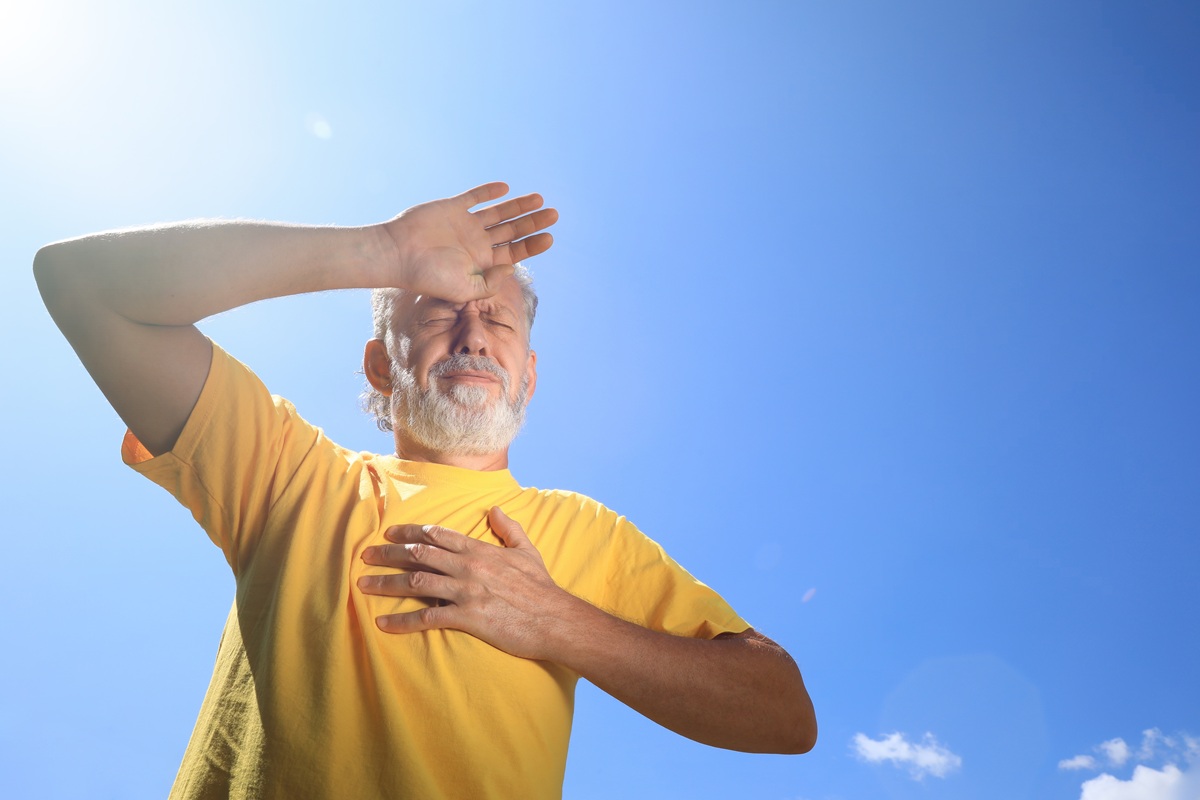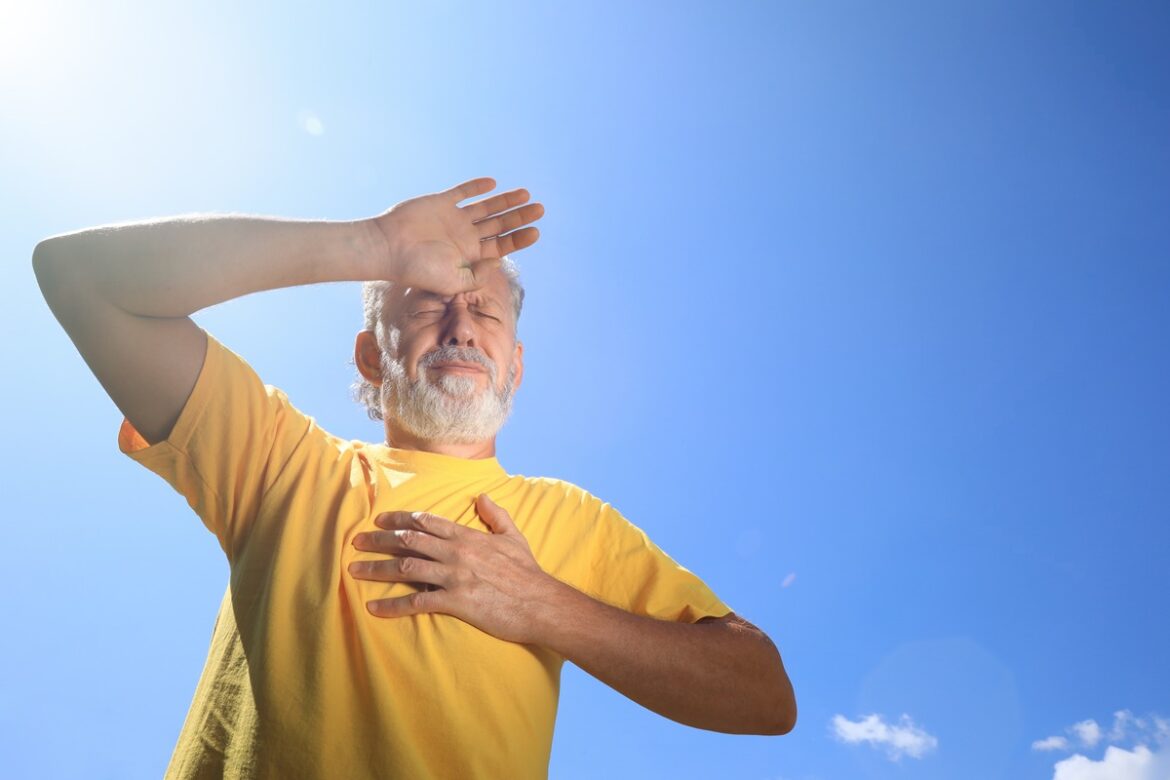
Senior man suffering from heat stroke outdoors
• Specialist highlights the importance of monitoring older adults, particularly those taking blood pressure medication, and stresses the need to prevent dehydration during periods of extreme heat.
Torrevieja, June 2026. Feelings of weakness, confusion, dizziness, headaches, fatigue, nausea accompanied by anxiety and excessive sweating are among the most common health issues associated with high temperatures. These symptoms can worsen if appropriate precautions are not taken, warns Dr Asunción Gonzálvez, Head of Internal Medicine at Quirónsalud Torrevieja Hospital.
During periods of extreme heat and heatwaves, the body may struggle to regulate its temperature effectively, increasing the risk of dehydration, heat exhaustion and even heatstroke.
Dr Gonzálvez advises avoiding outdoor exercise during the hottest hours of the day, particularly when muscle cramps occur after physical activity. “These cramps may be an early sign of heat exhaustion and should be taken as a warning to rehydrate properly, rest and avoid further exposure to high temperatures,” explains the specialist.
Older Adults and Children: The Groups Most Affected by High Temperatures
Older adults remain the most vulnerable group during hot weather, especially those living with high blood pressure and taking medication to manage it.
As Dr Gonzálvez explains, “Some antihypertensive medications can have a diuretic effect which, when combined with high environmental temperatures, can lead to increased fluid loss. For this reason, it is essential that older adults maintain adequate hydration, even if they do not feel thirsty.”
The general recommendation is to drink at least 1.5 litres of water per day, increasing this amount according to physical activity levels, environmental conditions and individual medical advice.
The specialist also highlights the importance of paying close attention to children, who can become dehydrated even when they are in the shade or playing near the water.
“In children, parents should watch for behavioural changes, ranging from irritability and persistent crying to unusual tiredness or lethargy, and offer water regularly even if they do not ask for it,” she advises.
Extra Precautions for Tourists and International Residents
Every year, Torrevieja welcomes thousands of visitors and residents from countries with milder climates, particularly from Northern Europe. Healthcare professionals therefore recommend taking extra precautions during the summer months, as many people may not be accustomed to the temperatures commonly experienced along the Costa Blanca.
Staying well hydrated, wearing lightweight and breathable clothing, spending time in cool or air-conditioned environments and avoiding prolonged exposure to direct sunlight are among the most effective ways to prevent heat-related illnesses.
When Should You Seek Medical Attention?
Healthcare professionals recommend seeking immediate medical attention if symptoms such as loss of consciousness, confusion, difficulty breathing, a high fever, an absence of sweating despite intense heat, or a rapid deterioration in general health occur, as these may indicate heatstroke or another serious heat-related condition.
Prevention, proper hydration and early recognition of symptoms remain the best ways to stay safe and healthy throughout the summer months.



 play_arrow