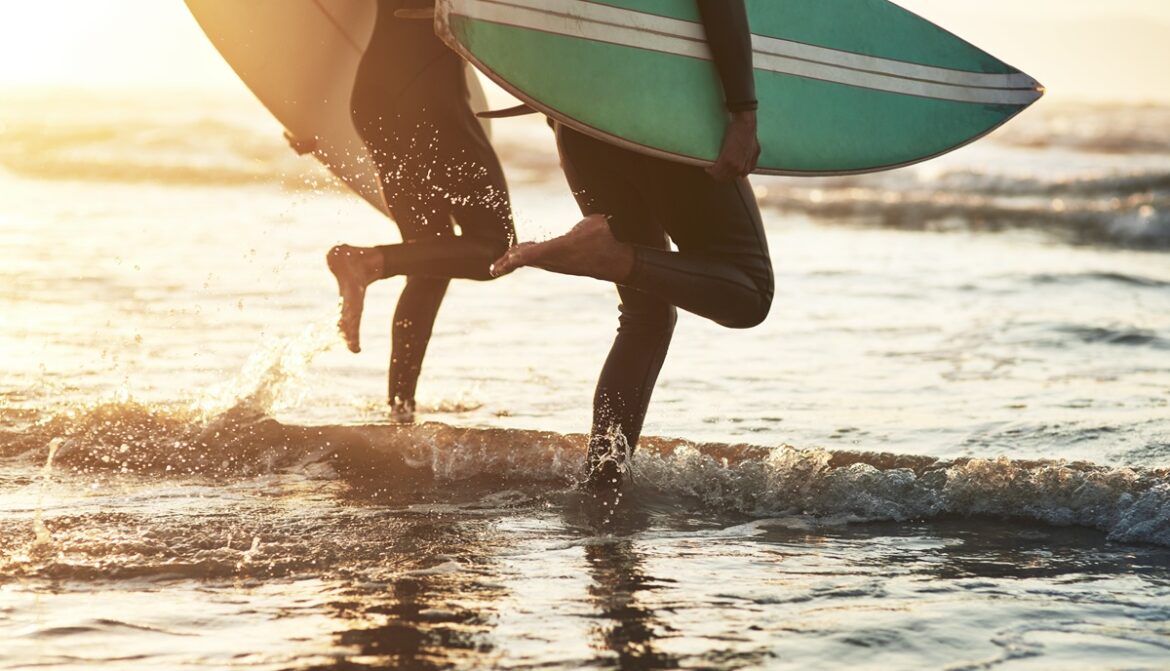
We find freedom in the raging waters.
These injuries are most common among people who remain relatively inactive throughout the year but then pack a large amount of physical activity into just a few days during their holidays.
Torrevieja, 21 July 2026. Summer is synonymous with beaches, the sea and outdoor activities. Every year, thousands of people take advantage of their holidays to try or enjoy water sports such as paddle boarding, kayaking, surfing, wing foiling and jet skiing—a trend that has grown significantly in recent years. However, this increase in physical activity has also led to a rise in sports-related injuries, many of which are caused by inadequate preparation, overconfidence or poor technique.
According to
Dr Miguel Ángel Moltó, Head of the Department of Orthopaedic Surgery and Traumatology at
Quirónsalud Torrevieja Hospital,
“During the summer we see an increase in injuries related to activities that many people only practise for a few days each year. These are often patients without specific training who suddenly undertake intense physical effort or repetitive movements that their bodies are simply not prepared for. We also treat high-energy injuries resulting from high-risk activities for which participants have little or no experience or training, such as jet skiing, inflatable water parks with spectacular trampolines, and other activities involving speed and height.”Most common summer injuries
The injuries most frequently seen in our clinics include shoulder dislocations, rotator cuff injuries—sometimes associated with shoulder dislocations, particularly in patients over the age of 40 or 50—ankle sprains, wrist fractures following falls, knee ligament and meniscal injuries, and muscle tears. We also treat trauma caused by impacts with surfboards, the seabed or even other watercraft.
The shoulder is one of the body’s most vulnerable joints, particularly in sports such as paddle boarding and surfing, where the repetitive paddling motion and frequent falls can lead to muscular, ligamentous or tendon injuries.
“Shoulder dislocation is a particularly characteristic injury in these activities. Once a first dislocation has occurred, the risk of recurrence increases if it is not treated appropriately and followed by proper rehabilitation, especially in younger patients,” warns the specialist.
Why do sports injuries increase during the summer?
Beyond the sports themselves, trauma specialists identify several common factors that contribute to the higher incidence of injuries during the summer months.
“There is a pattern we see repeatedly: people who remain relatively inactive for most of the year but then concentrate a significant amount of exercise into a few days while on holiday. That sudden increase in activity considerably raises the risk of injury,” explains Dr Moltó.
Other contributing factors include high temperatures, dehydration, muscle fatigue, inadequate warm-ups and unsuitable equipment.
“Fatigue reduces coordination and reaction time, while dehydration increases the likelihood of muscle cramps and reduces muscular performance. Together, these factors significantly increase the risk of falls and joint injuries,” he adds.
Another important factor is the greater availability of exciting but potentially hazardous leisure activities during the summer. Sports involving speed, height and a greater risk of falling become more popular as people have more free time and seek to make the most of their holidays, increasing their exposure to high-energy accidents.
How to prevent injuries when paddle boarding, kayaking or surfing
Most of these injuries can be prevented by taking a few simple precautions before entering the water.
According to Dr Moltó, “Prevention begins well before you get into the water. It is important to warm up properly beforehand, stay well hydrated, use equipment suited to your ability level and avoid overestimating your physical capabilities.”
The specialist also recommends increasing activity levels gradually and allowing sufficient time for rest and recovery.
“The aim is not to avoid sport, but to practise it responsibly. Many injuries occur towards the end of a session, when fatigue sets in and concentration begins to decline,” he says.
Specialists in the diagnosis of sports injuries
The Department of Orthopaedic Surgery and Traumatology at
Quirónsalud Torrevieja Hospital emphasises that receiving specialist assessment from the outset can make a significant difference to a patient’s recovery.
“Today we have highly accurate diagnostic techniques and increasingly minimally invasive treatments that allow patients to recover more quickly and return to their normal activities sooner. However, achieving the best outcomes depends on seeking medical attention without delay whenever a significant injury is suspected. Even symptoms that may initially seem minor should be assessed if they do not improve or resolve within a few days, so that the severity of the injury can be properly evaluated,” concludes Dr Miguel Ángel Moltó.
With appropriate prevention, physical activity tailored to each individual’s fitness level, and specialist assessment as soon as symptoms appear, it is possible to enjoy water sports safely throughout the summer while significantly reducing the risk of injury.



 play_arrow